JPMorgan flags $725bn AI spending boom as Dimon warns on inflation and geopolitical risks



JPMorgan flags $725bn AI spending boom as Dimon warns on inflation and geopolitical risks
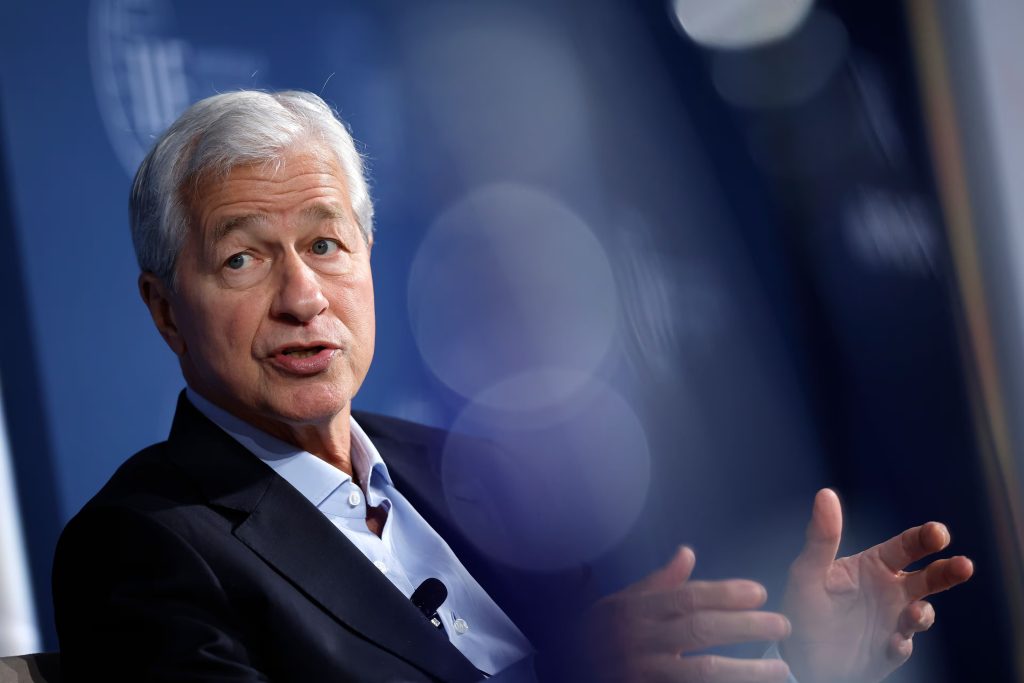
In his annual letter to shareholders, Dimon pointed to accelerating investment by hyperscalers as a defining force in the current economic cycle. Spending is expected to rise from $450bn in 2025 to $725bn in 2026, underscoring the scale of capital deployment into digital infrastructure.
The outlook reinforces a broader investment theme increasingly relevant for private equity, as firms continue to target data centres, digital infrastructure, and AI-linked assets.
At the same time, Dimon cautioned that macroeconomic risks remain elevated. He warned that persistent inflation, driven partly by commodity shocks and shifting supply chains, could lead to higher interest rates and falling asset prices.
“The skunk at the party — and it could happen in 2026 — would be inflation slowly going up,” Dimon said, highlighting the risk of a reversal in market sentiment.
Geopolitics remains a central concern. Ongoing conflicts in Ukraine and the Middle East, alongside tensions with China, are creating uncertainty across energy markets and global supply chains.
Despite these risks, JPMorgan continues to operate from a position of strength. The bank reported $185.6bn in revenue and $57.0bn in net income in 2025, while deploying $3.3tn in credit and capital globally.
Dimon also pointed to regulatory easing as a supportive factor, noting that changes are freeing up capital and liquidity, which can be redeployed into the economy. However, he stressed that structural risks remain unresolved. High global debt levels and sustained fiscal deficits could become destabilising if left unaddressed.
Private equity investors still face compelling deployment opportunities, particularly in AI and infrastructure, but value creation will increasingly hinge on managing volatility and driving operational performance, rather than benefiting from multiple expansion.
Dimon summarised the challenge facing markets, stating that institutions must “deal with the world we have — and strive for the one we want.”
If you think we missed any important news, please do not hesitate to contact us at [email protected].
Can`t stop reading? Read more.