

“Hedge funds are certainly looking to capitalize on the enthusiasm for private equity,” says an EY partner.
Two Sigma, one of the world’s largest quantitative hedge fund managers, has raised $1.2 billion for its new private equity unit, Sightway Capital.
Sightway reached the final close of its first fund, Sightway Capital I, the firm said Tuesday. Commitments came from a “diverse group of institutional investors,” including Massachusetts’ public pension fund, which approved investing as much as $500 million with Sightway last year.
“With the closing of our first fund and the support of our new partners, we believe Sightway Capital is well positioned to build on the current momentum of our portfolio companies,” division CIO Wray Thorn said in a statement. “We plan to invest this additional capital to further scale our established platform company investments and to drive long-term value for our investors.”
Two Sigma first began exploring opportunities in private capital back in 2008, according to the Sightway website. The quant firm launched Sightway in January of last year as a way of “building on these established investment capabilities and continuing its differentiated investment approach.”
Two Sigma’s push into private equity reflects a larger trend of hedge fund firms diversifying with the hot asset class and other non-traditional strategies, according to EY. The consulting firm’s 2019 global alternative fund survey, published last week, found that 26 percent of hedge funds offered a private equity product.
“There is high investor appetite for these products,” said Ryan Munson, a partner in EY’s asset and wealth management practice. “Hedge funds are certainly looking to capitalize on the enthusiasm for private equity.”
While hedge funds in general have experienced a decline in popularity in recent years, private equity funds have been magnets for institutional capital. According to EY, private equity accounts for about a quarter of allocators’ alternatives portfolios, up from 18 percent in 2018. Hedge funds, by comparison, declined from 40 percent to 33 percent over the same period.
“In today’s environment, there’s a view that if you’re able to have a diversified portfolio of products to go to market with, that will help you attract a diversified base of investors and help with the overall performance of your firm,” Munson said. “I certainly think we’re going to continue to see this trend of managers not looking to be one-trick ponies but having variety of products.”
Source: Institutional Investor
Read other recent News

Blackstone’s Aadhar Housing Finance targets $600m India IPO
Blackstone-owned Indian home loans provider Aadhar Housing Finance is targeting a $600 million-650 million initial public offering (IPO) at a valuation of up to $3 billion, two people with direct knowledge said on Tuesday. Private equity group Blackstone acquired...
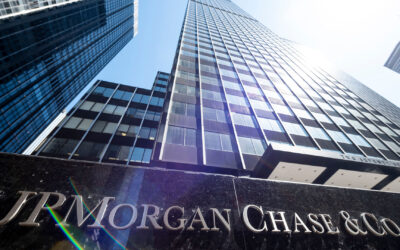
JPMorgan, BofA In Talks to Finance $13 Billion DocuSign Buyout
Wall Street banks including JPMorgan Chase & Co. and Bank of America Corp. are in talks to provide as much as $8 billion in financing for a buyout of DocuSign Inc. that values the company at around $13 billion, according to people with knowledge of the matter....

Progressio raising EUR225m for fourth fund
Progressio SGR, the Italian private equity firm, is raising a new fund, Progressio Investimenti III, in response to LP demand and a doubling of proprietary deal flow over the past five years. Progressio will raise EUR225 million for a final close at the end of 2017,...